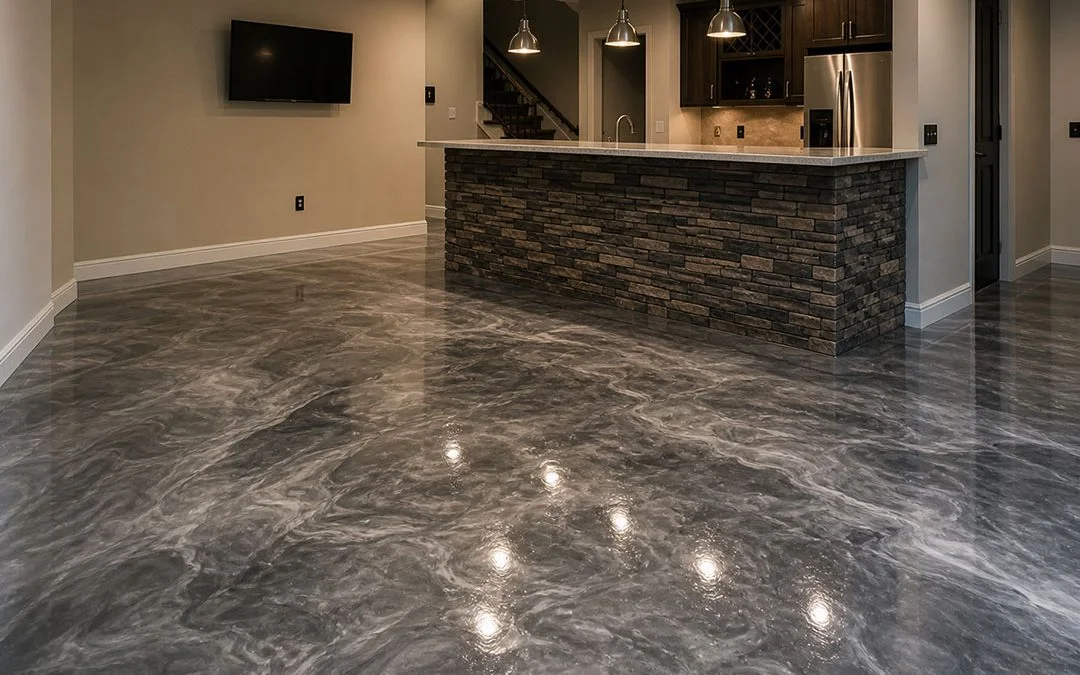
Concrete cracks are more than just an eyesore; they are structural vulnerabilities that can compromise a new floor coating. If these fissures are not properly addressed before the epoxy is applied, they will likely telegraph through the finished surface and cause the coating to fail.
Professional repair techniques ensure that the foundation is stabilized and seamless before any resin is poured. By treating the root cause of surface imperfections, experts create a durable substrate that supports a flawless, showroom-quality transition.
Mechanical Crack Chasing
The first step in a professional repair is “chasing” the crack with a specialized diamond blade or handheld grinder. This process widens the crack into a clean, V-shaped or U-shaped groove that allows the repair material to penetrate deeply and bond effectively.
- Grinding removes loose edges and crumbling debris that would otherwise prevent a secure seal.
- Opening the crack ensures that the repair filler has enough surface area for maximum mechanical adhesion.
- This step also identifies hidden hollow spots or structural weaknesses beneath the immediate surface. A clean, wide channel is the necessary foundation for any high-performance structural repair.
Thorough Contaminant Removal
Once the cracks are opened, every trace of dust, oil, and loose concrete must be removed from the channel. Any remaining particulate matter acts as a bond-breaker, which could cause the filler to pop out under the weight of a vehicle.
- High-powered industrial vacuums extract microscopic dust from deep within the newly chased groove.
- Technicians may use compressed air to blow out stubborn debris that vacuums might miss.
- Specialized degreasers or solvent wipes ensure the interior walls of the crack are chemically clean. A pristine environment inside the crack ensures that the repair material becomes one with the original slab.
Application of Industrial Fillers
Professionals use high-strength epoxy or polyurea joint fillers that are specifically designed to be stronger than the concrete itself. Unlike basic hardware store caulk, these industrial materials do not shrink as they cure, ensuring a flush finish.
- Rigid epoxy fillers are used for static cracks to provide structural reinforcement to the slab.
- Semi-rigid polyurea is often selected for its fast cure time and ability to handle minor slab movement.
- These materials are injected or hand-troweled deep into the void to eliminate any air pockets. Using the right chemical composition ensures the repair moves and breathes at the same rate as the rest of your floor.
Precision Surface Leveling
After the filler has fully hardened, the excess material must be ground down until it is perfectly flush with the surrounding concrete. This ensures that when the final epoxy coating is applied, the location of the previous crack is completely invisible to the naked eye.
- Diamond grinding wheels shave away high spots to create a single, continuous plane.
- Technicians use straight edges to verify that there are no dips or ridges left behind.
- This leveling process also re-opens the pores of the repair material to accept the primer coat. A perfectly flat surface is what allows the final topcoat to achieve that sought-after glass-like reflection.
Strategic Reinforcement Techniques
For larger or recurring “active” cracks, experts may incorporate carbon fiber staples or specialized mesh to bridge the gap. This reinforcement distributes tension across a wider area, preventing the crack from reopening due to shifting soil or temperature changes.
- Carbon fiber stitches are embedded perpendicular to the crack to “lock” the two sides together.
- Flexible joint membranes can be used in expansion joints to allow for natural slab contraction.
- These advanced methods provide an insurance policy against the shifting nature of California foundations. By reinforcing the slab’s weak points, you ensure the beauty of your new floor is backed by true structural integrity.
Secure a Seamless Floor Foundation
Addressing concrete damage with professional methods is the only way to guarantee a smooth and lasting garage transformation. These meticulous repair steps prevent minor flaws from becoming major headaches down the road.
Your garage floor should be a source of pride and utility, free from the worry of returning cracks or peeling layers. Investing in expert structural preparation ensures that your high-performance coating remains flawless for a lifetime.