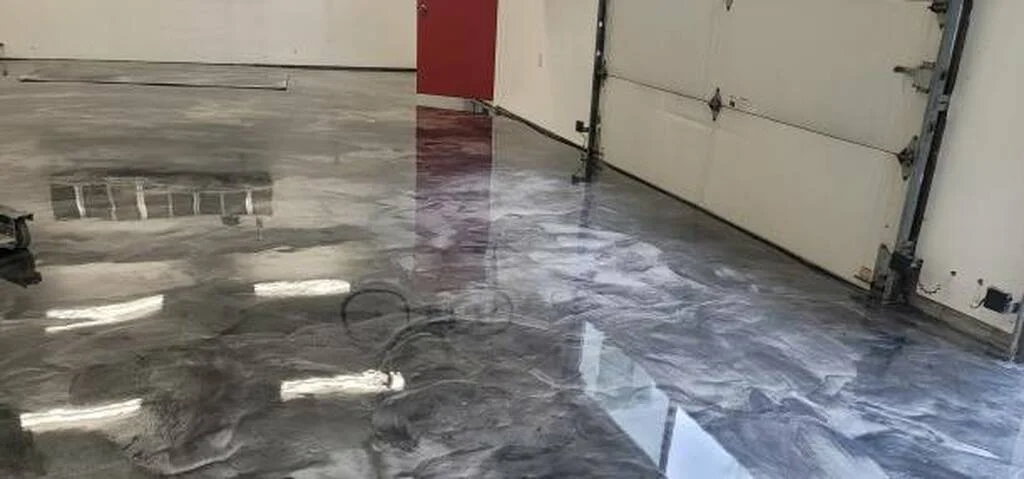
Dust mitigation is the silent backbone of a successful resinous flooring installation. Without strict control over airborne particles and concrete laitance, the bond between the coating and the substrate is fundamentally compromised.
Prioritizing a clean environment is not just about tidiness; it is a technical requirement for long-term durability. Ensuring a dust-free workspace protects the mechanical integrity of the floor and the air quality of the surrounding property.
Ensuring Maximum Coating Adhesion
Concrete dust acts as a microscopic barrier that prevents epoxy from penetrating the pores of the slab. If the resin bonds to a layer of dust instead of the actual concrete, the floor will eventually peel or delaminate.
- Industrial vacuum systems are attached directly to diamond grinders to capture dust at the source.
- HEPA filtration ensures that even the smallest particles are removed from the air before application.
- Manual tack-ragging or denatured alcohol wipes are often used as a final check for surface purity. Superior adhesion is only possible when the concrete surface is chemically and physically clean.
Achieving a Flawless Aesthetic Finish
Airborne contaminants can settle into a wet epoxy topcoat, creating unsightly bumps or “fish-eyes” in the finish. These imperfections ruin the smooth, glass-like appearance that homeowners expect from a professional installation.
- Closing off ventilation points and entryways prevents outdoor debris from entering the workspace.
- Technicians wear specialized gear to ensure no lint or hair falls into the drying resin.
- High-performance air scrubbers can be utilized to keep the environment stable during the curing process. A mirror-finish floor requires a controlled environment where the air is as clean as the surface itself.
Protecting Residential Air Quality
Grinding concrete releases silica dust, which is a known health hazard if inhaled by residents or pets. Professional mitigation ensures that these harmful particles are contained within the garage and do not migrate into the living quarters.
- Heavy-duty plastic sheeting is used to seal doorways and HVAC vents connecting to the home.
- Negative air pressure machines can be used to pull air away from the interior of the house.
- Post-installation cleaning ensures that no residual dust remains on walls or shelving units. Prioritizing health and safety makes the renovation process much more comfortable for the entire household.
Maintaining Equipment Efficiency
Excessive dust can clog the cooling fans and internal components of specialized flooring machinery. Keeping the workspace clear ensures that the equipment operates at peak performance for a more uniform grind.
- Regular filter changes on vacuum units maintain high suction power throughout the prep phase.
- Dust-free environments prevent the “glazing” of diamond segments on the grinding plates.
- Clean tools are less likely to malfunction or cause delays during time-sensitive coating applications. Reliable equipment performance translates directly into a higher quality of craftsmanship for the final floor.
Long-Term Surface Integrity
When dust is trapped beneath a coating, it creates tiny air pockets that can weaken the floor’s resistance to impact. Over time, these weak spots can lead to bubbling or cracking when subjected to vehicle weight.
- Thorough surface testing involves checking for any remaining “chalkiness” before the primer coat.
- Proper moisture vapor barriers work best when they have a direct, unobstructed bond to the slab.
- Eliminating contaminants ensures the chemical cross-linking of the epoxy happens perfectly. Starting with a pristine surface is the only way to guarantee a floor that stands up to years of heavy use.
Secure a Lifetime of Durability
The difference between a failing floor and a lifelong surface is often found in the preparation stage. By eliminating dust from the equation, you are ensuring that your garage transformation is both beautiful and permanent.
A clean installation process reflects a commitment to technical excellence and homeowner safety. Investing in professional dust control today prevents the frustration of peeling paint and airborne hazards tomorrow.